
Bánh mì: Saigon's famous sandwich, explained
The baguette arrived with the French. Saigon made it lighter, crispier and far more exciting.
Bánh mì is Vietnam’s famous sandwich: a light, crackly baguette filled with pâté, mayonnaise, cold cuts or grilled meat, pickled carrot and daikon, cucumber, coriander and chilli. In Saigon it usually costs 20,000–40,000 VND. Order with “Cho tôi một ổ bánh mì thịt” – and say “không cần túi” to skip the plastic bag.

At a glance
See it in 20 seconds

How to order
“Cho tôi một ổ bánh mì thịt.”
One pork bánh mì. Ổ is the word for a loaf. Not sure what to pick? Point – carts usually show every filling behind glass.
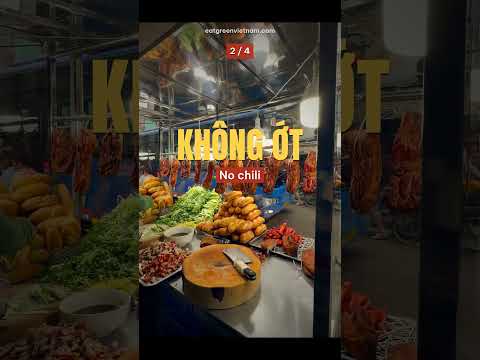
Handy extras: không cay (not spicy), không rau (no herbs), thêm pa-tê (extra pâté), bao nhiêu tiền? (how much?) and không cần túi (no bag needed).
Popular fillings
Bánh mì thịt is the classic: pâté, butter or mayonnaise, Vietnamese cold cuts such as chả lụa (pork roll), pickles, cucumber, coriander and chilli.
Bánh mì trứng – fried egg or omelette, a favourite breakfast. Bánh mì xíu mại – soft pork meatballs in tomato sauce. Bánh mì heo quay – crackling roast pork. Bánh mì gà – shredded chicken. Bánh mì chả cá – fish cake, common along the coast.
Bánh mì chay is the vegetarian version, usually with tofu, mushrooms or mock meat. You’ll find it at vegetarian restaurants and some carts.
What makes a great bánh mì
The bread comes first. A Vietnamese baguette is lighter than a French one: a thin, crackly crust and an airy inside, so the fillings aren’t lost in dough. Good carts warm the bread before filling it, so it shatters when you bite.
Then balance: rich pâté and meat, sharp pickled carrot and daikon, cool cucumber, fresh coriander and a hit of chilli. Many carts finish with a splash of seasoning sauce. Every cart has its own mix – that is half the fun.
A short history
Bread arrived in Vietnam with the French in the 19th century. Vietnamese bakers slowly made the baguette their own, and by the 1950s Saigon street carts were filling it with pâté, cold cuts and pickles. Today bánh mì is eaten all over Vietnam, and Hội An is famous for its own versions too.
When to go
Any time. Morning bánh mì is a Saigon breakfast ritual – you’ll see people grabbing one on the way to work. Many carts sell all day, and some are busiest late at night.
Where to find it
Almost every street corner in Saigon has a bánh mì cart or a small bakery. A busy cart with local customers and bread being warmed while you wait is a good sign. Bakeries (lò bánh mì) also sell plain loaves – handy for a picnic.
What it costs
At street carts and local bakeries, expect around 20,000–40,000 VND. Well-known bakeries, extra fillings and tourist areas cost more. Prices are often written on the cart; if not, ask “Bao nhiêu tiền?” before you order.
Vegetarian and allergies
Pâté is made from pork liver, and the cold cuts, mayonnaise and seasoning sauce are not vegetarian. Ask for bánh mì chay, ideally at a vegetarian restaurant, and say “Tôi ăn chay” (I’m vegetarian).
Common allergens: wheat (the bread), egg (mayonnaise and egg fillings), soy (seasoning sauce) and sometimes fish (fish cake). Say “Tôi bị dị ứng …” (I’m allergic to …) and name the ingredient. Carts share boards and knives, so cross-contact is likely.
Eat it with less plastic
Bánh mì is usually wrapped in paper, then dropped into a thin plastic bag. Say “không cần túi” and carry it in your hand or your own bag. Buying several? Bring a cloth bag, and skip the extra chilli-sauce sachets if you don’t need them.
Questions travellers ask
How much does bánh mì cost in Saigon?
Around 20,000–40,000 VND at street carts and local bakeries; more at well-known bakeries or with extra fillings.
What is in a classic bánh mì?
Pâté, cold cuts, pickled carrot and daikon, cucumber, coriander and chilli in a light baguette.
How is a Vietnamese baguette different from a French one?
It is lighter, with a thinner, crackly crust and an airy inside that leaves room for the fillings.
Is bánh mì a breakfast food?
Often – morning bánh mì is a Saigon ritual. But carts sell all day, and some stay busy late into the night.
How do I ask for no chilli?
Say “không cay” (not spicy). For no herbs, say “không rau”.
Is there vegetarian bánh mì?
Yes – ask for bánh mì chay, often made with tofu, mushrooms or mock meat. Regular pâté and cold cuts contain pork.
How do I avoid plastic with bánh mì?
Say “không cần túi” (no bag needed), or bring a cloth bag.
Prices are typical ranges we’ve seen and change often; tourist areas can charge more. Spotted something out of date? Tell us and we’ll fix it. Last updated 2026-10-03.


